
27 LITRŮ UMĚLÝ KRVE / Janek & Natálka & kol.

Romana Drda de Angelis: Occult Couture
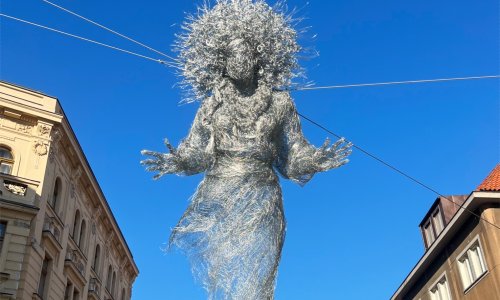
Veronika Psotková: VINOK
27 LITRŮ UMĚLÝ KRVE / Janek & Natálka & kol.

NoD AFTER TEN / DJ MIO
Saturday at NoD definitely doesn’t end at 10:00 p.m.! It’s just getting started. Every Saturday, we present our regular NoD AFTER TEN series,…

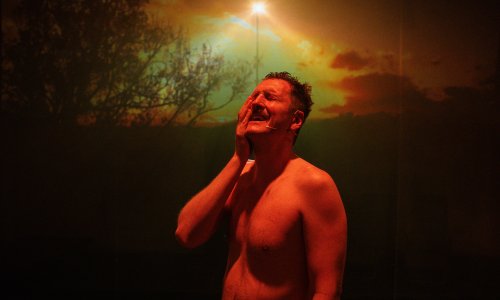
8 BILLION PEOPLE ARE BURNING / 8lidí
A new original production by the creative collective 8lidí. Pleasant heat. Thick steam. The scent of citrus. Western society relaxes in sauna worlds,…

THE LEGEND OF LUNETIC / Janek & Natálka & kol.
This performance is in Czech only!
THE LEGEND OF LUNETIC / Janek & Natálka & kol.
This performance is in Czech only!
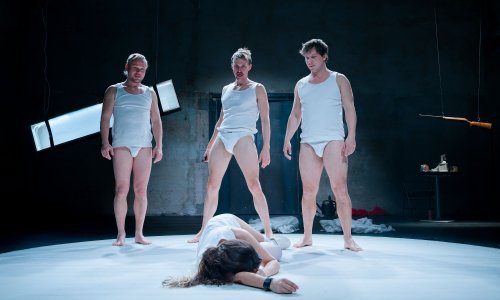
JAK SE DĚLÁ DIVADLO / Divadlo MASO
This performace is in Czech only.

MICHAELŮV MASHUP
This event is in Czech only!

SCAMMERS ATTACK / Janek & Natálka & collective
Scamming is art. They have been with us since the beginning of mankind. They are all around us. And they are more and more of them. There´s no place you…
SCAMMERS ATTACK / Janek & Natálka & collective
Scamming is art. They have been with us since the beginning of mankind. They are all around us. And they are more and more of them. There´s no place you…

JÁ, DIAGNÓZA / + - VeDvou
MICHAELŮV MASHUP
This event is in Czech only!

FAKE CRIME / Joke Division
This performance is in Czech only!

UNDERGROUND COMEDY CLUB
This performance is in Czech only.


SMRT NA KONI / BREMY
This performance is in Czech only.
MICHAELŮV MASHUP
This event is in Czech only!
8 BILLION PEOPLE ARE BURNING / 8lidí
A new original production by the creative collective 8lidí. Pleasant heat. Thick steam. The scent of citrus. Western society relaxes in sauna worlds,…
JAK SE DĚLÁ DIVADLO / Divadlo MASO
This performace is in Czech only.

UNDERGROUND COMEDY CLUB
This performance is in Czech only.
MICHAELŮV MASHUP
This event is in Czech only!
THE LEGEND OF LUNETIC / Janek & Natálka & kol.
This performance is in Czech only!
THE LEGEND OF LUNETIC / Janek & Natálka & kol.
This performance is in Czech only!
FAKE CRIME / Joke Division
This performance is in Czech only!
SMRT NA KONI / BREMY
This performance is in Czech only.
27 LITRŮ UMĚLÝ KRVE / Janek & Natálka & kol.
27 LITRŮ UMĚLÝ KRVE / Janek & Natálka & kol.
UNDERGROUND COMEDY CLUB
This performance is in Czech only.
JÁ, DIAGNÓZA / + - VeDvou
FAKE CRIME / Joke Division
This performance is in Czech only!
THE LEGEND OF LUNETIC / Janek & Natálka & kol.
This performance is in Czech only!
THE LEGEND OF LUNETIC / Janek & Natálka & kol.
This performance is in Czech only!
THE LEGEND OF LUNETIC / Janek & Natálka & kol.
This performance is in Czech only!
SMRT NA KONI / BREMY
This performance is in Czech only.
8 BILLION PEOPLE ARE BURNING / 8lidí
A new original production by the creative collective 8lidí. Pleasant heat. Thick steam. The scent of citrus. Western society relaxes in sauna worlds,…
UNDERGROUND COMEDY CLUB
This performance is in Czech only.
SCAMMERS ATTACK / Janek & Natálka & collective
Scamming is art. They have been with us since the beginning of mankind. They are all around us. And they are more and more of them. There´s no place you…
SCAMMERS ATTACK / Janek & Natálka & collective
Scamming is art. They have been with us since the beginning of mankind. They are all around us. And they are more and more of them. There´s no place you…
FAKE CRIME / Joke Division
This performance is in Czech only!
JÁ, DIAGNÓZA / + - VeDvou
27 LITRŮ UMĚLÝ KRVE / Janek & Natálka & kol.
27 LITRŮ UMĚLÝ KRVE / Janek & Natálka & kol.
27 LITRŮ UMĚLÝ KRVE / Janek & Natálka & kol.
27 LITRŮ UMĚLÝ KRVE / Janek & Natálka & kol.
THE LEGEND OF LUNETIC / Janek & Natálka & kol.
This performance is in Czech only!
THE LEGEND OF LUNETIC / Janek & Natálka & kol.
This performance is in Czech only!
THE LEGEND OF LUNETIC / Janek & Natálka & kol.
This performance is in Czech only!
UNDERGROUND COMEDY CLUB
This performance is in Czech only.
SMRT NA KONI / BREMY
This performance is in Czech only.
SCAMMERS ATTACK / Janek & Natálka & collective
Scamming is art. They have been with us since the beginning of mankind. They are all around us. And they are more and more of them. There´s no place you…
SCAMMERS ATTACK / Janek & Natálka & collective
Scamming is art. They have been with us since the beginning of mankind. They are all around us. And they are more and more of them. There´s no place you…
FAKE CRIME / Joke Division
This performance is in Czech only!
27 LITRŮ UMĚLÝ KRVE / Janek & Natálka & kol.
27 LITRŮ UMĚLÝ KRVE / Janek & Natálka & kol.
27 LITRŮ UMĚLÝ KRVE / Janek & Natálka & kol.
27 LITRŮ UMĚLÝ KRVE / Janek & Natálka & kol.
SMRT NA KONI / BREMY
This performance is in Czech only.
THE LEGEND OF LUNETIC / Janek & Natálka & kol.
This performance is in Czech only!
THE LEGEND OF LUNETIC / Janek & Natálka & kol.
This performance is in Czech only!
THE LEGEND OF LUNETIC / Janek & Natálka & kol.
This performance is in Czech only!
JÁ, DIAGNÓZA / + - VeDvou
8 BILLION PEOPLE ARE BURNING / 8lidí
A new original production by the creative collective 8lidí. Pleasant heat. Thick steam. The scent of citrus. Western society relaxes in sauna worlds,…
FAKE CRIME / Joke Division
This performance is in Czech only!
UNDERGROUND COMEDY CLUB
This performance is in Czech only.


